34th Puerto Rico Neuro Science 2026
About
History
Activities
Key Details
Date: Saturday, December 5th, 2026
Location: Auditorium, Academic Tower, at PHSU, Ponce Puerto Rico
Time: 8:00am - 5:00pm

Our Team
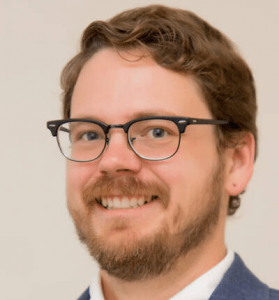
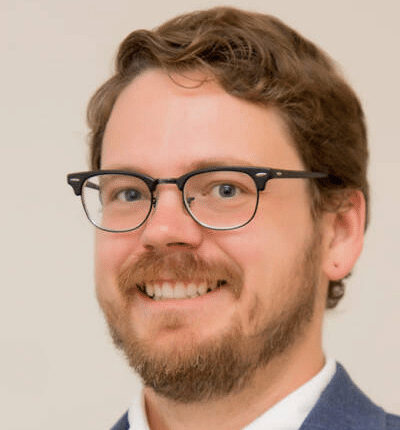
Brandon L. Warren
Brandon Warren, PhD, is an Associate Professor in the Department of Cellular and Systems Pharmacology at the University of Florida College of Pharmacy. He earned his PhD in Neuroscience from Florida State University and completed postdoctoral training at the National Institute on Drug Abuse Intramural Research Program with Bruce Hope. His research focuses on the neural mechanisms underlying substance use disorders, with particular emphasis on how experience-dependent neuronal ensembles contribute to drug taking, drug seeking, and relapse. His laboratory combines intravenous drug self-administration, activity-dependent neuronal tagging and manipulation, molecular approaches, and circuit-level analyses to identify neuronal populations that encode and maintain addiction-related behaviors.
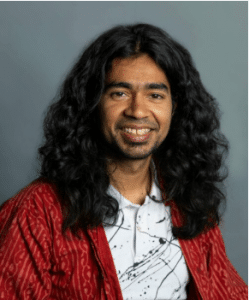
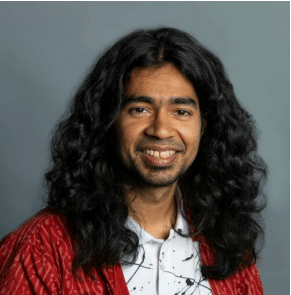
Yash Sondhi, PhD
My research is about how moths and butterflies sense the world. Moths can hover, escape bird and bat predation by flying incredibly fast and navigate to coloured flowers by starlight. To understand how a moth’s brain, eyes, and sensory systems have evolved to perform these complicated visual tasks, I use an integrative approach, looking at their genes, behavior, and in the light of evolution to understand how butterflies’ and moths’ visual systems function. Like many other nocturnal animals, moths get disoriented and entrapped by light, something often utilized by moth collectors. I study the effects of light pollution on nocturnal insects and explore ways to mitigate this issue. I run the SENSE lab at Case Western Reserve University, where we use multiple techniques, including genetics, animal behavior, and neuroethology, to examine how the senses—sight, hearing, and smell—have evolved in day- and night-flying insects.
We are addressing how artificial light disorients insects at night and alters their circadian activity, vision, and flight, while also testing strategies to mitigate light pollution, partnering with citizen science and biodiversity monitoring in India and Costa Rica.
Gina Poe, PhD
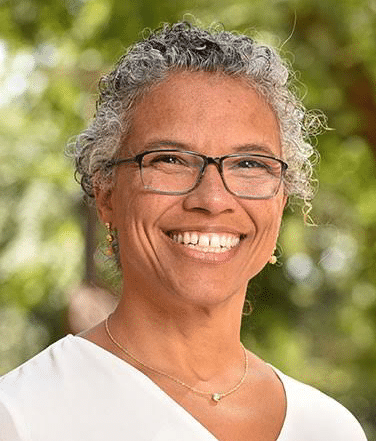
Gina Poe has been working since 1995 on the mechanisms through which sleep serves memory consolidation and restructuring. Dr. Poe is a southern California native who graduated from Stanford University then worked for two post-baccalaureate years at the VA researching Air Force Test Pilots’ brainwave signatures under high-G maneuvers. She then earned her PhD in Basic Sleep in the Neuroscience Interdepartmental Program at UCLA under the guidance of Ronald Harper then moved to the University of Arizona for her postdoctoral studies with Carol Barnes and Bruce McNaughtons looking at graceful degradation of hippocampal function in aged rats as well as hippocampal coding in a 3-D maze navigated in the 1998 space shuttle mission. She brought these multiunit teachings to answer a burning question of whether REM sleep were for remembering or forgetting and found that activity of neurons during REM sleep is consistent both with the consolidation of novel memories and the elimination of already consolidated memories from the hippocampus, readying the associative memory network for new learning the next day. Moving first to Washington State University then to the University of Michigan before joining UCLA in 2016, Poe has over 80 undergraduates, 6 graduate students, and 6 postdoctoral scholars, and has served in university faculty governance as well as leading 5 different programs designed to diversify the neuroscience workforce and increase representation of people of the global majority in the STEM fields. At UCLA she continues research and teaching and Directs the COMPASS-Life Sciences and BRI-SURE programs and co-Directs the MARC-U*STAR program. Nationally she is course director of the Marine Biological Lab’s SPINES course and co-Directs the Society for Neuroscience’s NSP program which earned the nation’s highest mentoring honor in 2018. These programs have served over 600 PhD level trainees over the years.
Janitza Montalvo, PhD
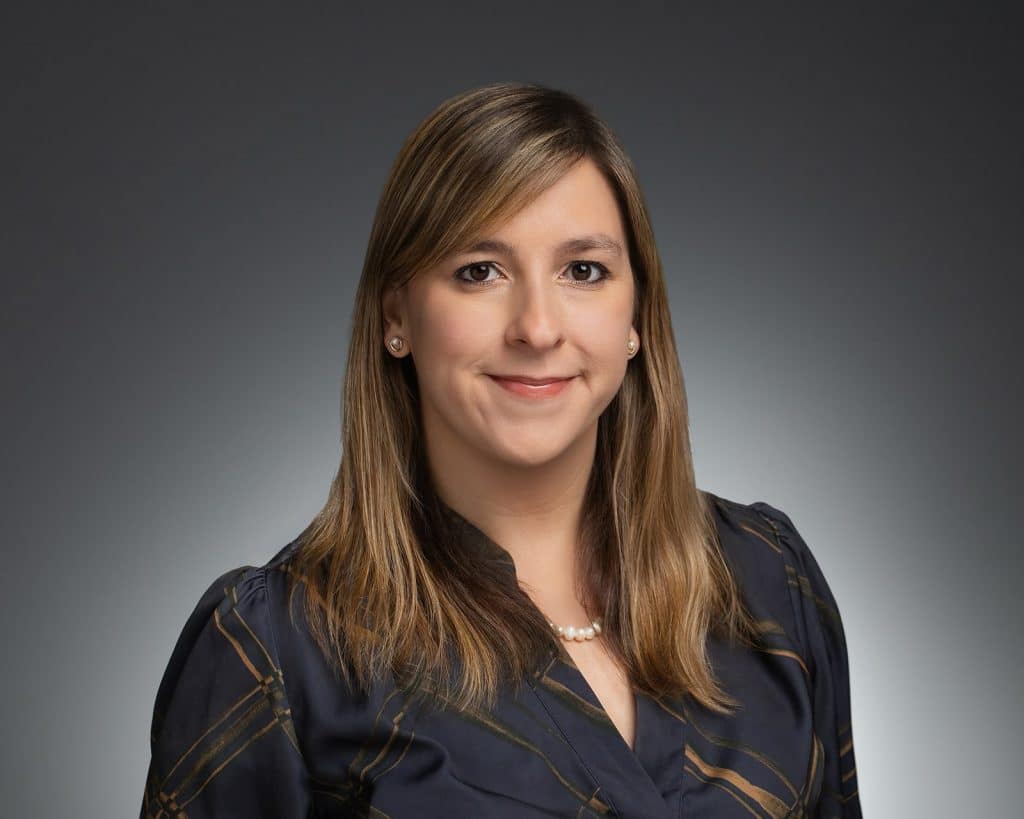
Janitza Montalvo-Ortiz studies how genetic and molecular variation contributes to neuropsychiatric conditions, with the goal of uncovering biological pathways and identifying markers that could support more precise and preventive approaches to care. A central focus of her work is understanding how exposure to trauma over the course of life shapes risk for disorders such as substance use disorder (SUD), posttraumatic stress disorder (PTSD), and major depression. Her research program centers on two core aims. One is to build integrated, multi-layered profiles of psychiatric disorders by combining data from genomic, epigenomic, transcriptomic, and proteomic analyses using both peripheral samples and postmortem brain tissue. The other is to expand representation in psychiatric genomics by prioritizing the inclusion of Latin American populations.
Our Collaborators




Contact us
Emmanuel Cruz, PhD
Assistant Professor
Ponce Health Sciences University
Ponce Research Institute
Email: ecruz@psm.edu
Carmen Maldonado, PhD
Posición: Professor
Institution: UPR - Rio Piedras
Email: carmen.maldonado7@upr.edu
Cristina Velazquez, PhD
Posición: Associate Professor
Institution: UPR - Ciencias Medicas
Email: cristina.velazquez1@upr.edu
Zaira Mateo, PhD
Posición: Professor
Institution: Pontifical Catholic University of Puerto Rico
Email: zaira_mateo@pucpr.edu
Mario Lloret, PhD
Posición: Assistant Professor
Institution: Universidad Central del Caribe
Email: mario.lloret@uccaribe.edu
Betzaida Birriel, BBA, BSc AHT, LVTg
Posición: Federal Projects Administrator
Institution: UPR - Ciencias Medicas
Email: bethzaida.birriel@upr.edu
Christian Bravo, PhD
Posición: Assistant Professor
Institution: UPR - Ciencias Medicas
Email: christian.bravorivera@upr.edu
Yancy Ferrer, PhD
Posición: Assistant Professor
Institution: UPR - Ciencias Medicas
Email: yancy.ferrer@upr.edu